The first battle of the English Civil War on open ground was in the countryside around Southam, Warwickshire, 23rd August 1642. Lord Brook of Warwick ordered his parliamentary guns to open fire on a royalist brigade which had the misfortune to cross his path on the outskirts of the town. When the cannons stopped firing nine years later, 3% of the population of Britain had died in the conflict, mainly from disease or starvation.
Until that date, in spite of the town being parliamentarian in sympathy, the rector, Francis Holyoake, had lived a peaceful and productive life, a loyal supporter of the king as would be expected of someone in his position, earning himself the nickname ‘The Holy Oak’.
Born at Nether Whitacre in north Warwickshire in 1567, he was educated at Queen’s College Oxford and steadily progressed over the years in his ecclesiastical career, becoming rector of Southam in February 1604. He was married to a woman called Judith and they had a single son, Thomas, born in 1616. His passion was etymology – the study of words.
The standard dictionary of the time had been Rider’s Dictionary, but Francis freely plagiarized the work, publishing his own version under the title Rider’s Dictionary Corrected in 1606, with several subsequent editions into the 1640s. There was some dispute about whether this should be allowed, but there was no such thing as copyright law in those days and Rider’s and Francis’s work would have been familiar reference work amongst educated people.
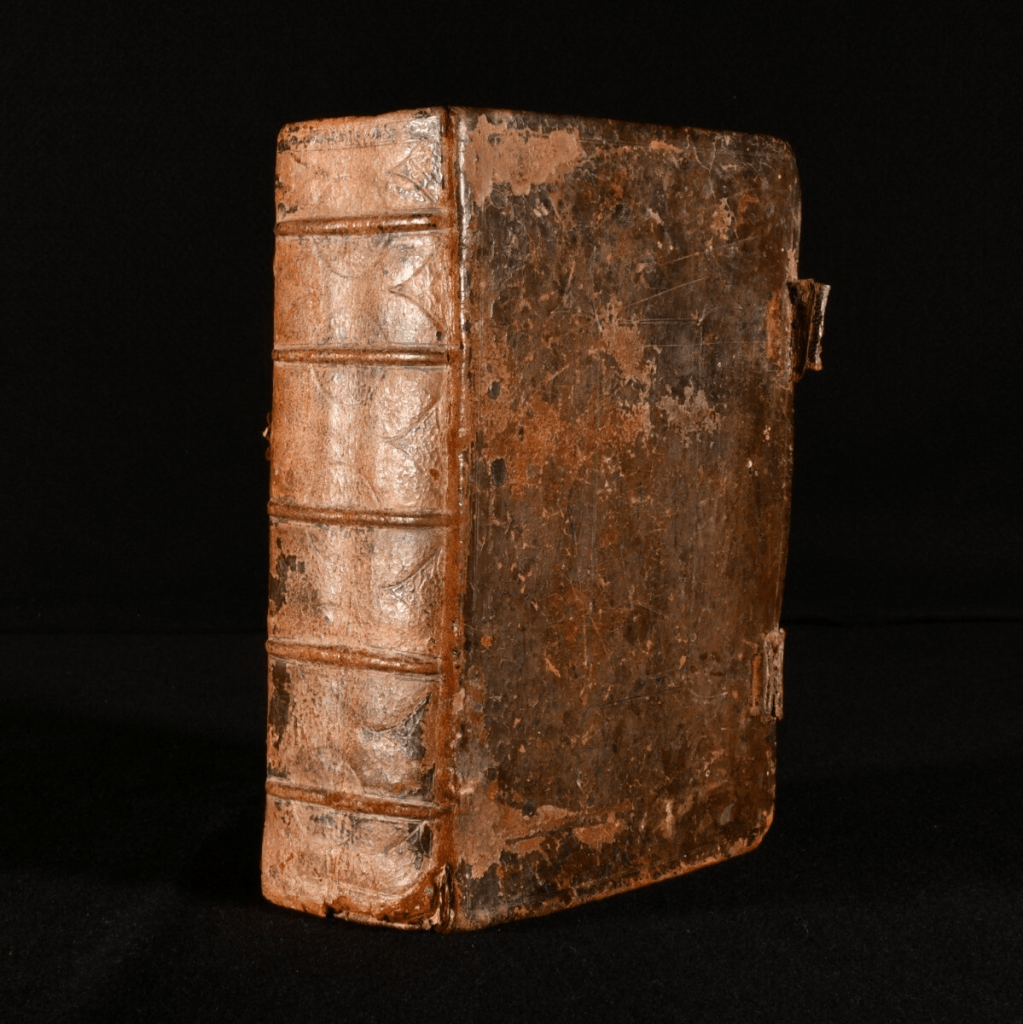
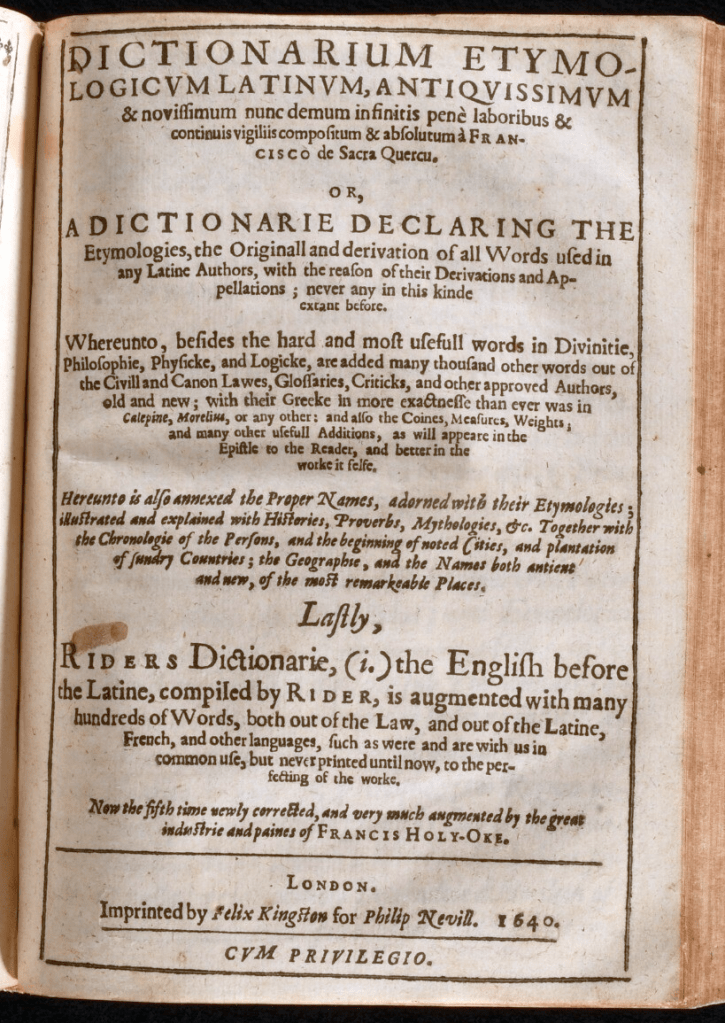
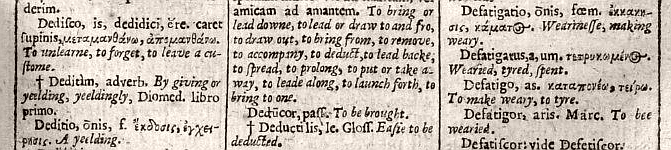
It would be fascinating to know what connections Francis had in literary circles, as well as more about the man as an individual. There is a reference to him in connection with Robert Burton, author of The Anatomy of Melancholy (published 1621), but I’m not aware of any surviving documentary information other than his dictionary and some sermons – sadly, on 22nd August 1642, the day before the Battle of Southam, his world collapsed in dramatic fashion.
Parliamentarian troops on their way to Warwick chose to occupy Southam. Francis, as a known royalist, had his house stormed, a servant killed (according to a later statement by Francis’s son) and was summarily ejected from his situation as rector. These were brutal times with troops often acting in extremis in their levels of intolerance and brutality towards perceived opponents. It was claimed that arms were found in his house, but this was according to parliamentarian chroniclers of the time who are not necessarily reliable.
Francis’s remaining years were spent in impoverished circumstances, living on charity, his wife dying an early death because of the trauma she suffered (according to a statement made by their son in an appeal to parliament for financial aid for the family). Francis died nine years later, aged 86 – a remarkable age for the time – having witnessed a world turned upside down by religious and political extremism and the rise of Oliver Cromwell in English parliamentary affairs. He is buried in St. Mary’s Collegiate Church, Warwick, where there is a memorial stone on the interior wall opposite the entrance to the Beauchamp Chapel.
Images:
- http://www.flickr.com/photos/xanthias/533127481/in/photostream.
- http://www.ebay.co.uk/itm/133972727248 (retrieved 24 June 2026).
First posted February 2014. Minor edits and typographical corrections made above.
 JONRUS.COM